
Serviced Accommodation Explained
Serviced accommodation refers to a type of temporary housing that is fully furnished and equipped with amenities and services to cater to the needs of short-term residents. This accommodation option is commonly utilised by business travellers, tourists, and individuals requiring a temporary stay, offering an alternative to traditional hotels or self-catering apartments.
One distinctive feature of serviced accommodation is the provision of comprehensive services similar to those found in hotels. These services often include housekeeping, maintenance, and concierge services, providing a hassle-free and comfortable living experience for guests. This level of service distinguishes serviced accommodation from other temporary housing options, contributing to its popularity among those seeking convenience and a home-like environment.
Serviced accommodation units vary in size and style, ranging from studio apartments to larger multi-bedroom apartments or houses. The flexibility in accommodation size allows for individuals, families, or groups to find a suitable space based on their specific needs and preferences. This flexibility makes serviced accommodation particularly attractive for extended stays, providing a more homely atmosphere compared to conventional hotel rooms.
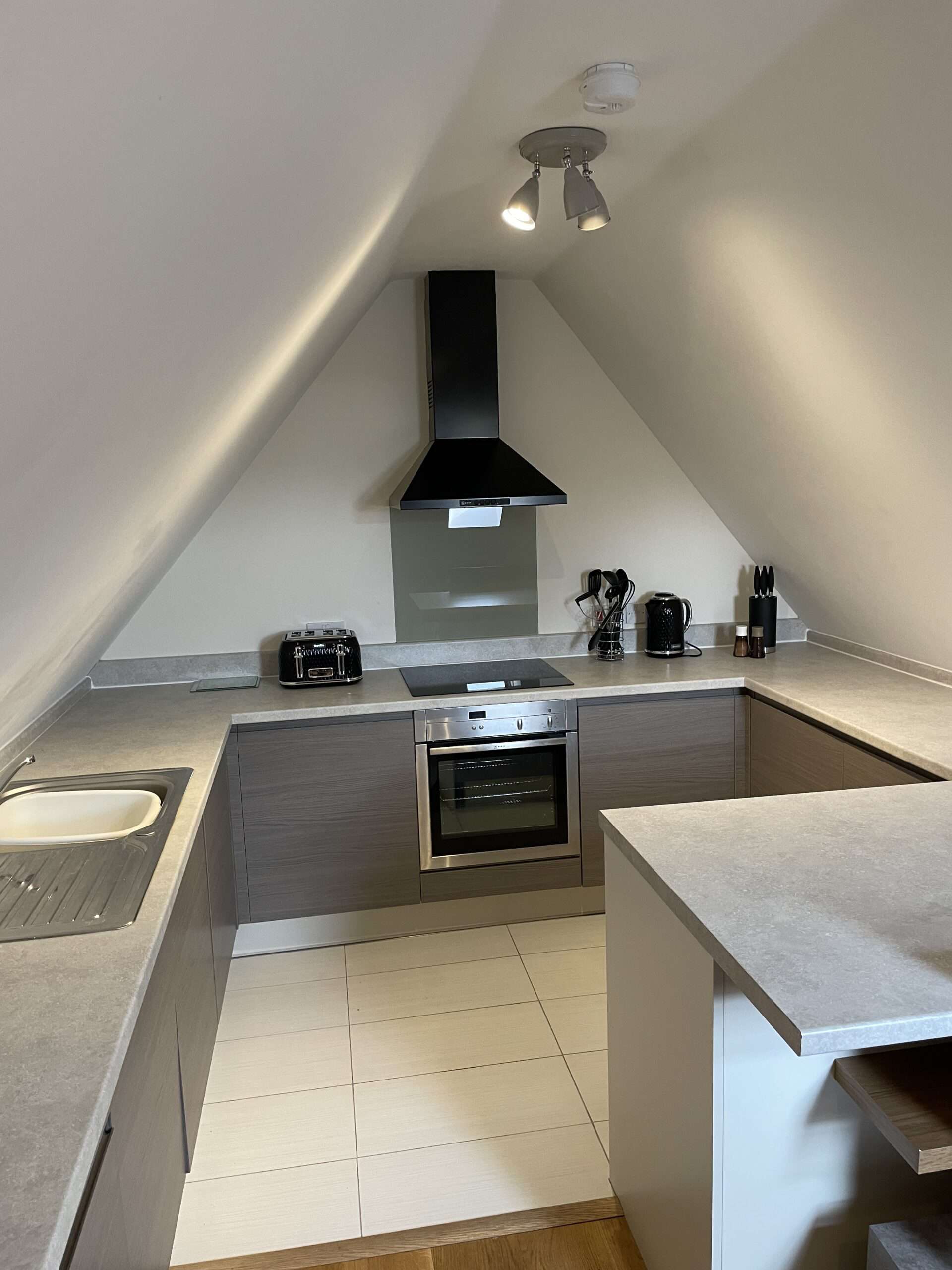
All Brightsuites serviced accommodation is equipped with a fully functional kitchen, allowing residents the option to prepare their meals. This feature appeals to individuals who prefer the convenience of self-catering or those with dietary restrictions. The combination of a well-equipped kitchen and professional housekeeping services adds to the overall convenience and versatility of serviced accommodation.
The popularity of serviced accommodation in the UK has grown in recent years due to its flexibility, cost-effectiveness for longer stays, and the desire for a more personalised and home-like experience. As a result, serviced accommodation has become a significant segment within the hospitality industry, offering an attractive alternative for those seeking a temporary residence with the comforts of home.


BOOK A LONG WEEKEND | 3 NIGHTS FOR THE PRICE OF 2*
*quote 342 to get offer
How Serviced Accommodation differs to Hotels
Serviced accommodation and staying in a hotel are both options for travellers seeking temporary lodging, yet they differ in several key aspects. One fundamental distinction lies in the level of personalisation and space offered by each option. Serviced accommodations, which often include apartments or houses, typically provide a more homely environment compared to the standardised rooms found in hotels.
In serviced accommodation, guests often have access to a fully equipped kitchen, living area, and multiple bedrooms, offering a sense of autonomy and flexibility that is not commonly found in hotels. This setup is particularly appealing to travellers who prefer a more independent and home-like experience, allowing them to cook their own meals and enjoy a greater degree of privacy.
Conversely, hotels are designed to offer a more streamlined and consistent experience. While they may provide amenities such as room service and on-site dining, the overall atmosphere tends to be more formal and structured. Hotel rooms are generally smaller than serviced apartments, and the focus is often on efficiency and standardisation to accommodate a larger number of guests.
Another notable difference lies in the duration of the stay. Serviced accommodations are well-suited for extended stays, catering to those who require lodging for weeks or even months. This aligns with the idea of creating a temporary home away from home. Hotels, on the other hand, are typically geared towards shorter stays, with amenities and services optimised for a more transient clientele.
Furthermore, the pricing models for these two types of accommodations can vary. Serviced apartments often provide a cost-effective solution for longer stays, as rates may be more negotiable and inclusive of utilities. In contrast, hotels may charge per night and may have additional fees for services such as parking, Wi-Fi, or breakfast.
Ultimately, the choice between serviced accommodation and a hotel depends on the preferences, needs, and length of stay of the traveller. While hotels offer a standardised and convenient experience, serviced accommodations provide a more personalised and home-like environment, making them particularly attractive for those seeking a longer-term stay with greater independence.
Stopping in the same location for a number of months
Serviced accommodation offers a unique and advantageous experience for travellers looking to stay in the same location for an extended period, providing several key benefits that surpass those of traditional hotels.
Increased Space
One significant advantage is the increased level of space and privacy that serviced apartments typically offer. Unlike hotel rooms, which can be confined and lack the comforts of a home, serviced accommodations often include separate living, dining, and sleeping areas, providing a more spacious and home-like environment.
Flexibility
Furthermore, the flexibility of serviced accommodation stands out as a notable advantage. Guests are not confined to rigid check-in and check-out times, allowing for a more convenient and adaptable stay. This flexibility extends to the availability of kitchen facilities in most serviced apartments, enabling guests to prepare their meals if they desire. This feature is particularly beneficial for long-term stays, offering a sense of autonomy and the opportunity to maintain dietary preferences.
Cost Effectiveness
Cost-effectiveness is another compelling reason to choose serviced accommodation over hotels for an extended stay. While hotel expenses can quickly accumulate, serviced apartments often come with inclusive rates that cover utilities, internet, and other amenities. This all-inclusive pricing model can result in substantial savings, especially for those planning an extended visit, making it a more economical choice without sacrificing comfort or convenience.
Homely
The personalised and homely atmosphere of serviced accommodation contributes to a more enjoyable and relaxed stay. Many travellers appreciate the feeling of being in a real home rather than a standardised hotel room. The furnishings, décor, and overall ambiance of serviced apartments often create a welcoming environment that promotes a sense of belonging and comfort.
Location
Finally, serviced accommodations are typically located in residential neighbourhoods rather than busy tourist areas, providing guests with a more authentic local experience. Ascot House is located in the heart of the Peterborough commercial area whilst Bayard Plaza is in the heart of Peterborough City. This can be particularly appealing for travellers looking to immerse themselves in the culture of the destination, offering a genuine taste of day-to-day life. The opportunity to live like a local, combined with the other benefits of serviced accommodation, makes it a compelling choice for those seeking a prolonged and fulfilling stay in one location. For those stopping in Peterborough Brightfield Business Hub provides a wide range of meeting rooms and conference facilities
BOOK A LONG WEEKEND | 3 NIGHTS FOR THE PRICE OF 2*
*quote 342 to get offer
What is serviced accommodation FAQ’s
What is serviced accommodation, and is it suitable for someone staying in Peterborough for several months on a work project?
Serviced accommodation is fully furnished accommodation designed for short to medium-term stays, offering many of the comforts of home alongside some of the convenience you would expect from a hotel.
For someone working in Peterborough for three to six months, this can be a highly practical option because it typically includes a private bedroom, bathroom, living space, kitchen facilities, Wi-Fi, utilities, housekeeping options and often parking, all wrapped into one straightforward arrangement.
Unlike committing to a traditional tenancy, serviced accommodation offers flexibility, making it particularly suitable for contractors, project managers, consultants and business travellers who need comfortable accommodation without the hassle of setting up bills, buying furniture or signing long-term agreements.
How does serviced accommodation differ from staying in a hotel for an extended work assignment?
The main difference is space, practicality and cost-effectiveness over longer periods. A hotel room may be perfectly suitable for one or two nights, but staying in a single room for several months can quickly become restrictive, particularly if you need to work in the evenings, prepare meals or simply have room to relax.
Serviced accommodation usually provides significantly more living space, separate sleeping and working areas, and a kitchen, which means you are not reliant on eating out every day. For longer business stays in Peterborough, this often creates a much more comfortable and economical experience compared with a hotel, especially when laundry facilities and parking are included.
How is serviced accommodation different from renting a standard flat or apartment?
A traditional rental property usually involves a tenancy agreement, deposit, credit checks, utility account setup and furnishing considerations, all of which can be inconvenient if your stay is temporary. Serviced accommodation removes much of that complexity.
The property is move-in ready, bills are typically included, internet is already connected, and the booking process is generally far simpler. For someone arriving in Peterborough for a defined project duration, this can save considerable time and administration.
Standard rentals may sometimes appear cheaper on headline monthly rent, but once deposits, council tax, utilities, broadband and furnishing costs are factored in, the overall difference can be much smaller than expected.
Is serviced accommodation better than using Airbnb or other short-term rental platforms?
The answer often depends on what consistency and reliability you need. Platforms such as Airbnb can offer flexible accommodation options, but the quality, standards and level of support can vary significantly between hosts.
Serviced accommodation providers are often geared specifically towards business travellers and longer stays, meaning the experience may be more consistent, professionally managed and better suited to working life. This can include reliable Wi-Fi, proper invoicing for expenses, housekeeping arrangements and responsive support if issues arise. For a business traveller staying in Peterborough for several months, that operational reliability can be far more valuable than simply choosing the lowest nightly rate.
What should I look for when choosing serviced accommodation for a 3 to 6 month business stay?
For an extended work project, focus on practicality rather than appearance alone. Reliable high-speed internet is essential if you will be working remotely, while secure parking can be important if you are travelling between sites.
A fully equipped kitchen helps control costs and makes day-to-day living easier, while laundry facilities become particularly valuable over longer stays. Location also matters; being close to Peterborough’s business areas, transport routes or your project site can significantly reduce commuting stress.
It is also worth checking whether the provider offers flexible extensions if your project overruns, as this is common with business assignments where timelines can shift unexpectedly.